








Sponsors



Partner















Z365" or "Festival all year round" is the new strategic point of the Festival in which converge investigation, accompaniment and development of new talents (Ikusmira Berriak, Nest); training and cinematic knowledge transfer (Elías Querejeta Zine Eskola, Zinemaldia + Plus, Filmmakers' dialogue); and investigation, disclosure and cinematic thought (Z70 project, Thought and Discussion and Research and publications).
 Calls for entries - 2026 Log-in to MY FESTIVAL
  Agenda Programme and tickets Search
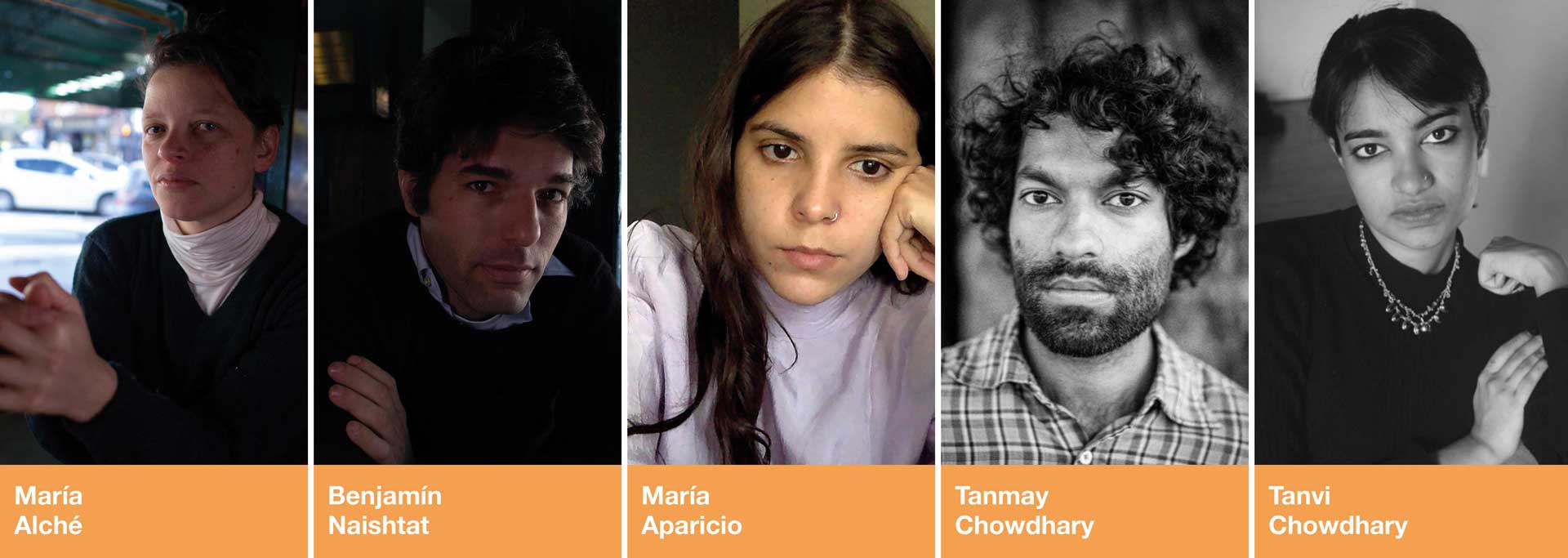
‘Pedro en el país’, by María Alché and Benjamín Naishtat, will open the section, while Isaki Lacuesta’s ‘Jaleos’ will bring it to a close
For the first time, the section will include an audiovisual performance out of competition, from the filmmaker and writer Albertina Carri
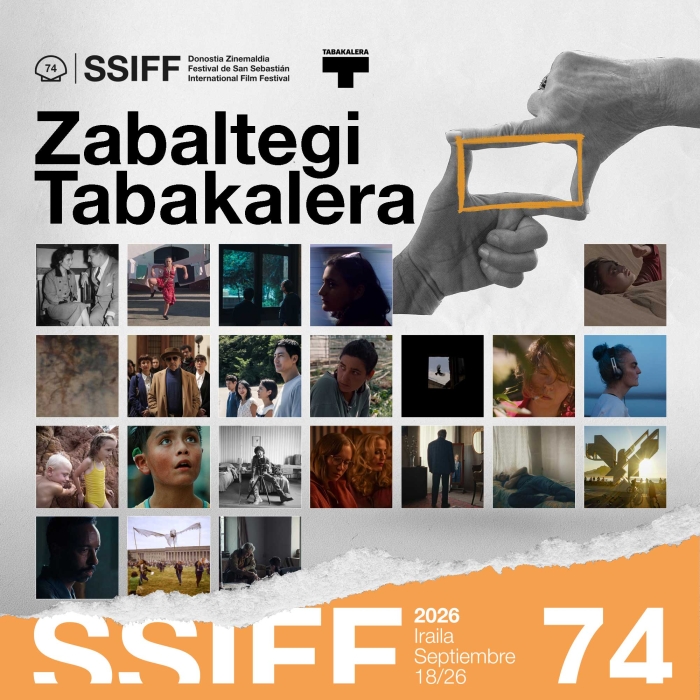


A total of 22 titles —13 feature films, seven short films, one medium-length film and one audiovisual performance— will figure on the Zabaltegi-Tabakalera programme of the San Sebastián Festival’s 74th edition. The section unites works coming from festivals such as Cannes, Berlin, Venice, Rotterdam, Toronto, Locarno and the Cinéma du Réel, and includes the new works from filmmakers boasting renowned careers, such as Lee Chang-dong, Radu Jude, Tsai Ming-Liang and Tizza Covi and Rainer Frimmel, together with emerging and debuting authors. The section will also gather filmmakers who enjoy a special bond with the Festival, like María Alché and Benjamín Naishtat, who will open the event, and Isaki Lacuesta, who will close it, as well as other directos who return to San Sebastián, including Federico Luis, Jane Schoenbrun and Bojina Panayotova. Completing the programme is an audiovisual performance from Albertina Carri out of competition.
Opening the section is Pedro en el país / Pedro in the Land, a non-fiction film in which Pedro Catella journeys through his own life, marked by having witnessed some of the major historical events to have taken place in Latin America. The feature film, which will have its world premiere in the section, is co-directed by María Alché (Buenos Aires, 1983) and Benjamín Naishtat (Buenos Aires, 1986), a twosome with strong ties to the San Sebastián Festival. Both competed in the Official Selection with Puan (2023), winner of the Jury Prize for Best Screenplay and of the Silver Shell for Best Leading Performance going to Marcelo Subiotto (ex aequo with Tatsuya Fuji). Previously, Alché had carried off the Horizontes Award with Familia sumergida / A Family Submerged (2018), while Naishtat landed the Silver Shell for Best Director with Rojo (2018), after also having participated in Horizontes Latinos with Historia del miedo / History of Fear (2014).
María Aparicio (Córdoba, 1992) will compete for the Zabaltegi-Tabakalera Award with A veces me entra tristeza, otras veces rebelión / Sometimes Sadness, Sometimes Rebellion, after its premiere in Giornate degli Autori at the Venice Festival. The film follows Eva, an Argentinian woman on a short stay in Madrid who meets a historian investigating the figure of Juan Bialet Massé and the Argentinian workers’ struggle. The Argentinian screenwriter and director made her feature film debut with Las calles (2016), for which she landed the Best Director Award in the Latin American competition at the BAFICI. With Sobre las nubes (2022) she won the Best Film Award at the FICValdivia and Best Argentinian Film at the Mar del Plata Festival.
Sibling-duo Tanmay Chowdhary (Kolkata, 1990) and Tanvi Chowdhary (Kolkata, 1995) will present the world premiere of Abhinetri / Actress, a short film about an aspiring actress who sees how the line between performing and reality starts to blur. Both previously collaborated on Madhu / Honey (2022), selected for several international festivals. After that work, Tanmay directed Leela (2024), presented in Zabaltegi-Tabakalera following its premiere in Rotterdam.
In The Loneliest Man in Town, Tizza Covi (Bolzano, 1971) and Rainer Frimmel (Vienna, 1971) once again turn to non-professional actors and natural settings to narrate the fragile life of an ageing blues musician whose life is upended when real estate developers slate his home for demolition. Since 2002, the Italian-Austrian duo have co-directed numerous films with their production company Vento Film. In 2009, La Pivellina / Little Girl was selected for the Quinzaine des cinéastes at the Festival de Cannes, going as far as to represent Austria at the Academy Awards. In 2020, Aufzeichnungen aus der Unterwelt / Notes from the Underworld received a special mention from the Panorama section of the Berlinale, and Vera (2022) won the Best Director Award in the Orizzonti section of the Venice Festival. The Loneliest Man in Town comes to San Sebastián after receiving a special mention in the official competition of this year’s Berlinale.
Following its premiere at the Rotterdam Festival, Mo Harawe (Mogadishu, 1992) will participate in Zabaltegi-Tabakalera with the short film Whispers of a Burning Scent, starring a wedding musician who, on the day of a decisive court hearing and an important performance, finds his private life exposed to public scrutiny. His prize-winning short films include Life on the Horn (2020), which bagged a special mention at Pardi di Domani in Locarno, and Will My Parents Come to See Me (2022). His feature film debut, The Village Next to Paradise (2024), was part of the Un Certain Regard section at the Festival de Cannes and earned him several awards.
Radu Jude (Bucharest, 1977) and Adrian Cioflâncă (Piatra Neamț, 1974) will join the race for the Zabaltegi-Tabakalera Award with Plan contraplan / Shot Reverse Shot, a short film screened at Berlinale and Cinéma du Réel, among others, revealing the comical side of the story contrasting the photographs taken by the journalist Edward Serotta during his visit to communist Romania with those taken by the secret police at the same time. Jude, currently one of the European filmmakers to enjoy greatest renown, is the author of films including Toata lumea din familia noastra / Everybody in Our Family (2012), Aferim! (2015), Inimi cicatrizate / Scarred Hearts (2016), Îmi este indiferent dacă în istorie vom intra ca barbari / I Do Not Care If We Go Down in History as Barbarians (2018) and Tipografic majuscul / Uppercase Print (2020). With Babardeală cu bucluc sau porno balamuc / Bad Luck Banging or Loony Porn (2021), also presented in Zabaltegi-Tabakalera, he carried off the Golden Bear at the Berlinale. A trained historian, Cioflâncă has collaborated as a consultant on a number of films and theatre productions as well as having joined Jude to co-direct Iesirea trenurilor din gara / The Exit of the Trains (2020) and Memories from the Eastern Front (2022), both of which had their world premieres at the Berlinale.

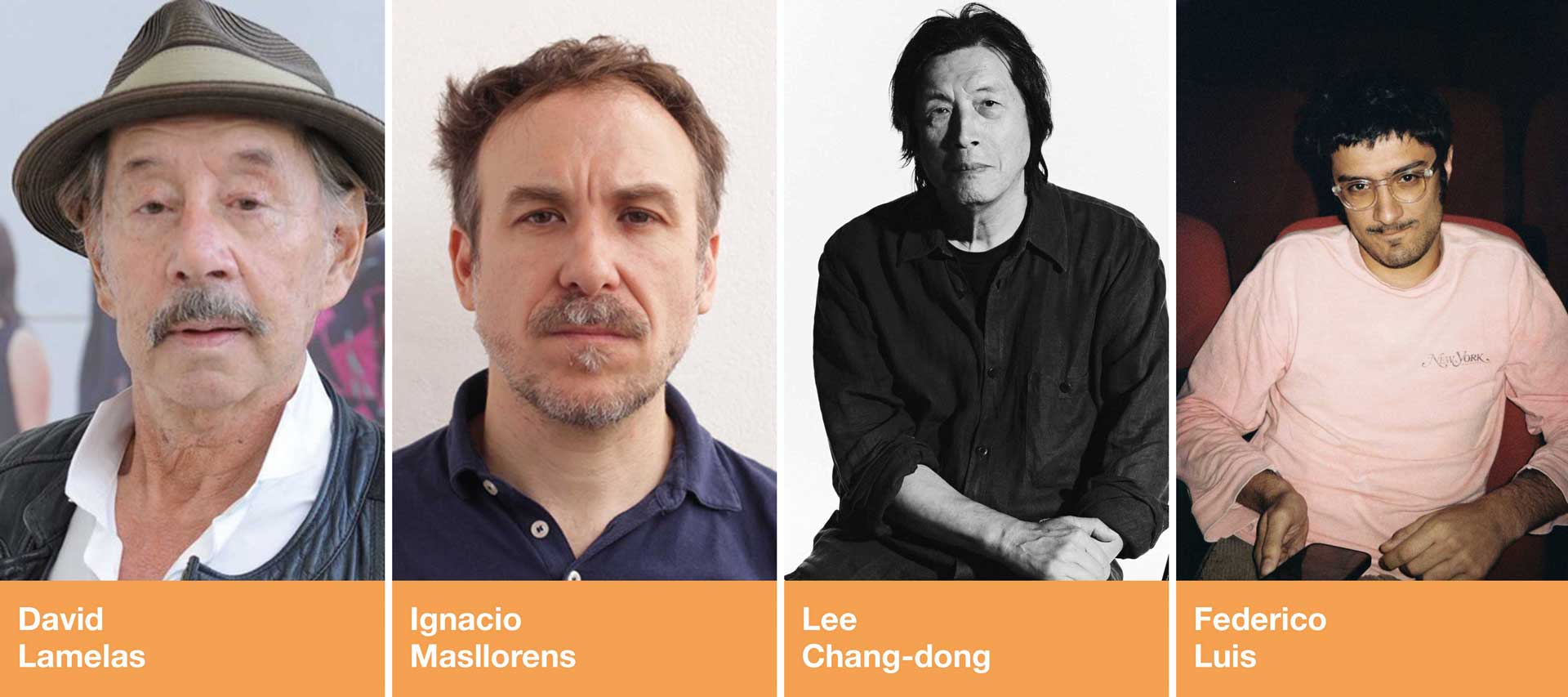
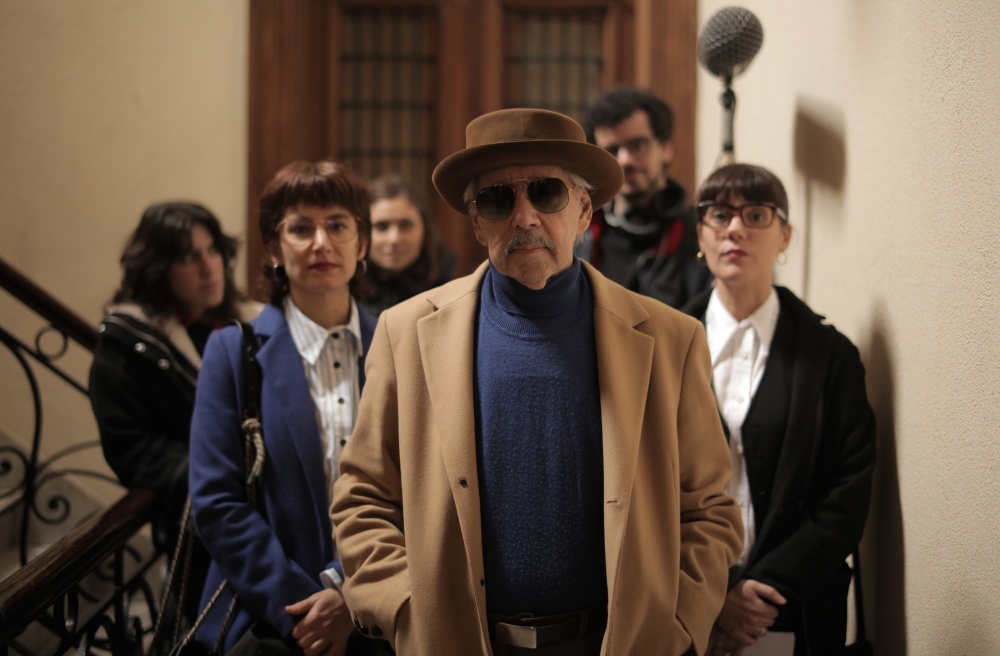
Following its premiere at Giornate degli Autori in Venice, David Lamelas (Buenos Aires, 1946) and Ignacio Masllorens (Buenos Aires, 1973) will present El fantasma / The Phantom, a feature film about two young women producers who receive the commission to make a documentary about an elusive figure from the Argentinian vanguard of the 60s, an investigation requiring the participation of the self-same David Lamelas, a prominent player in that movement. An artist whose work encompasses film, sculpture, performance and installation, Lamelas has participated in the Venice Biennale, has shown at the MoMA and has been distinguished, among other recognitions, with a Guggenheim Fellowship and the DAAD Stipendium. El fantasma is his feature film debut. For his part, Masllorens has directed films and videos to have shown at festivals and centres such as the Anthology Film Archives, the Cinémathèque française and ARCOmadrid, as well as having received awards at visual arts competitions organised by the Fortabat Foundation, the ArtHaus Foundation, the National Arts Fund and the National Salon.
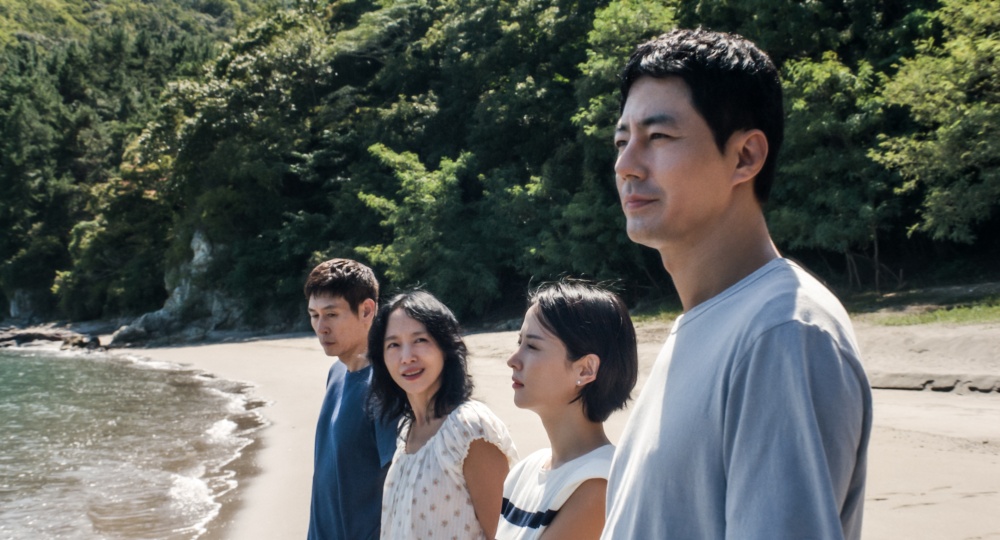
Lee Chang-dong (Daegu, 1954) will screen Ga-neung-han Sa-rang / Possible Love, after competing at the Venice Festival and having shown at the Toronto Festival. The film follows two couples whose ways of life, apparently far removed from one another, finally cross paths and transform the balance of their everyday existence. A novelist, screenwriter and one of South Korean cinema’s most respected filmmakers, Lee has directed titles including Bakha satang / Peppermint Candy (1999), Oasiseu / Oasis (2002), Milyang / Secret Sunshine (2007), Shi / Poetry (Perlak, 2010) and Burning (2018), awarded at festivals including Cannes and Venice. He also competed for the Zabaltegi-Tabakalera Award with the short film Heartbeat (2022).
Having carried off the Palme d’Or for Best Short Film at the Festival de Cannes, Federico Luis (Buenos Aires, 1990) will participate in Zabaltegi-Tabakalera with Para los contrincantes / For the Opponents, a film about a young Mexican boy who dreams of becoming a boxing champion. The filmmaker made his debut in the official short film competition at Cannes in 2019 with La siesta, also winner of Best Short Film at the BAFICI. He later premiered La hija (2022) at the same festival, while En el mismísimo momento (2023) won the Best Short Film Award at the IDFA. In 2024 he presented his short film Cómo ser Pehuén Pedre / How to be Pehuén Pedre at Visions du Réel and in Zabaltegi-Tabakalera, the same year in which his debut feature, Simón de la Montaña / Simon of the Mountain, bagged the Grand Prix at the Cannes Semaine de la Critique prior to participating in Horizontes Latinos.
Following its premiere in the Panorama Dokumente section of the Berlinale, Tobias Nölle (Zurich, 1976) and Loran Bonnardot (Paris, 1973) will compete in Zabaltegi-Tabakalera with Tristan Forever, a docu-fiction accompanying doctor Bonnardot on his return to Tristan da Cunha, the world’s most remote inhabited island and his spiritual retreat for three decades, to which he now travels with no intention of returning. With his short film René (2007), Nölle landed the Golden Pardino in Locarno, while his debut feature, Aloys (2016), received the FIPRESCI Prize in the Panorama section of the Berlinale. For his part, Bonnardot co-produced the short film 37º4 S (Adriano Valerio, 2013), winner of the Special Jury Prize in Cannes and also set in Tristan da Cunha. Tristan Forever is his debut as co-director.
Marie-Rose Osta (Zahlé, 1987) will participate in Zabaltegi-Tabakalera with Yawman ma walad / Someday a Child, winner of the Golden Bear for Best Short Film at this year’s Berlinale. In the film, a young boy is obliged to conceal his strange powers while living with his uncle in a Lebanese village marked by the constant noise of fighter planes. A Lebanese screenwriter and director, Osta has made short films such as Gangbang (2016), Status Quo (2017), Ana Beirut, Ep. 2 (2021) and Then Came Dark (2021), winner of the Special Jury Prize at the Cairo Festival. This year she has participated with the segment The Lead Ritual in the omnibus feature film Home Bitter Home, premiered at the Rotterdam Festival. She is currently developing her first feature film Mina.
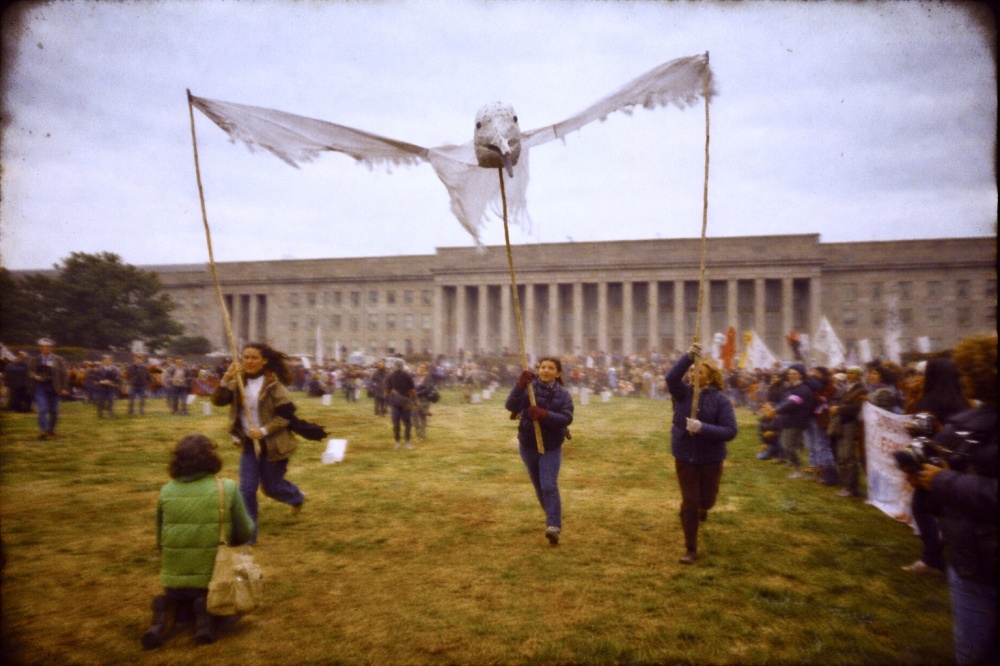
The medium-length With Love and Rage, Bojina Panayotova (Sofia, 1982) takes the spectator to 1980, after Ronald Reagan’s election as US president, when 2,000 women surrounded the Pentagon in protest against the warfare machinery. Panayotova participated in Nest in 2009 with A domicile, making her feature film debut with I See Red People (2019), premiered in the Berlinale’s Panorama Dokumente section. That same year she won the Audience Award in Locarno with Camille, co-written with Boris Lojkine. Her short film The Building of the Brave (2021) was distinguished at festivals such as that of Ghent and Cinéma du Réel, the competition to which she returned this year with With Love and Rage.
La belle année, filmed while dealing with the affairs of her father, recently deceased and from whom she had been estranged for years, is an auto-fiction in which the Swedish director Angelica Ruffier (Luleå, 1988) plays herself. Having directed, edited and produced numerous short films, Ruffier makes her feature debut with this film, Special Jury Prize recipient in the Tiger Competition at the last edition of the Rotterdam Festival.

After We’re All Going to the World’s Fair (2021), Jane Schoenbrun (New York, 1987) directed I Saw the TV Glow (Zabaltegi-Tabakalera, 2024), premiered in the Midnight section of the Sundance Festival and programmed in Panorama at the Berlin Festival, among others. Now they present Teenage Sex and Death at Camp Miasma, selected for Un Certain Regard at the Festival de Cannes and winner of the Queer Palm, where a young director sets about trying to resurrect a waning slasher franchise, only to end up falling with the star of the original film into a blood-soaked world of desire, fear and delirium.
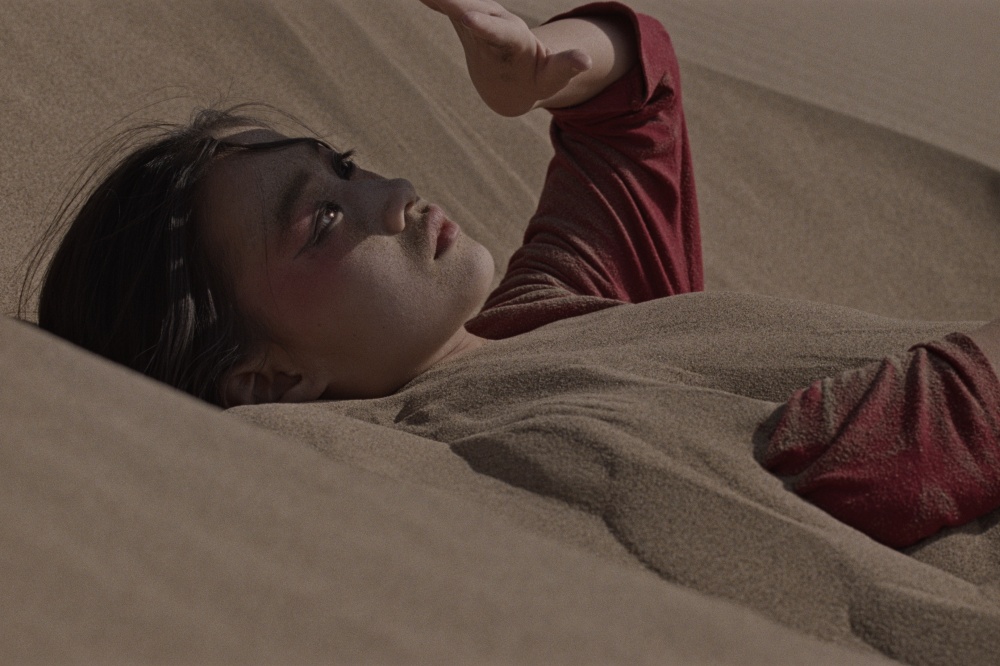
Dorothea Sing Zhang (1999) will compete in Zabaltegi-Tabakalera with As a Cure, the short film completing her ‘Mommy trilogy’ and which will come to San Sebastián following its premiere at the Locarno Festival. In the film, a girl sifts through the dune to find her identity card in order to enrol in the Beijing Opera Academy. Her previous works, Masterpiece Mommy (2024) and A Small Fiction of My Mother in Beijing (2025), participated in the Toronto Festival. She is currently working on her debut feature.
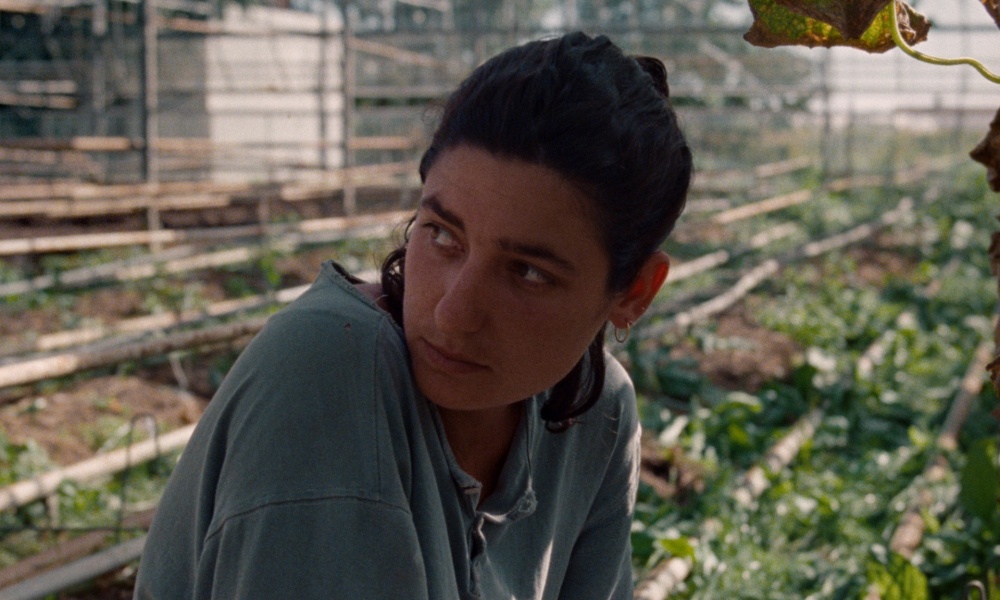
Salka Tiziana (Munich, 1992) will world-premiere Gluey Feathers, a fiction short film portraying a group of seasonal workers on a vegetable farm in northern Germany who face the end of the harvesting season with uncertainty. Her debut feature, Tal día hizo un año / For the Time Being (2020), was selected for the Rotterdam International Film Festival and the Berlin Critics’ Week. She has also directed the short film Todos los sonidos entran adentro / All Sounds Within (2022), and her next film, Marcela, received the Casa de Velázquez–Impulso ECAM Award at FIDLab 2025.
Lastly, the filmmaker and writer Albertina Carri (Buenos Aires, 1973) will present, out of competition, Cine vivo: un artefacto, an audiovisual performance combining the reading of texts from her book Cine vivo, dedicated to reflecting on the cinema, memory, archives and ways of creating and watching images and sounds. Organized by Tabakalera, this will be her first performance in Spain and will have live sound interventions by Paloma Peñarrubia based on the sound of plants. The proposal is completed with screening of the short film Cine puro, made on the basis of filmed footage damaged by mould to the extent of making the original images disappear.

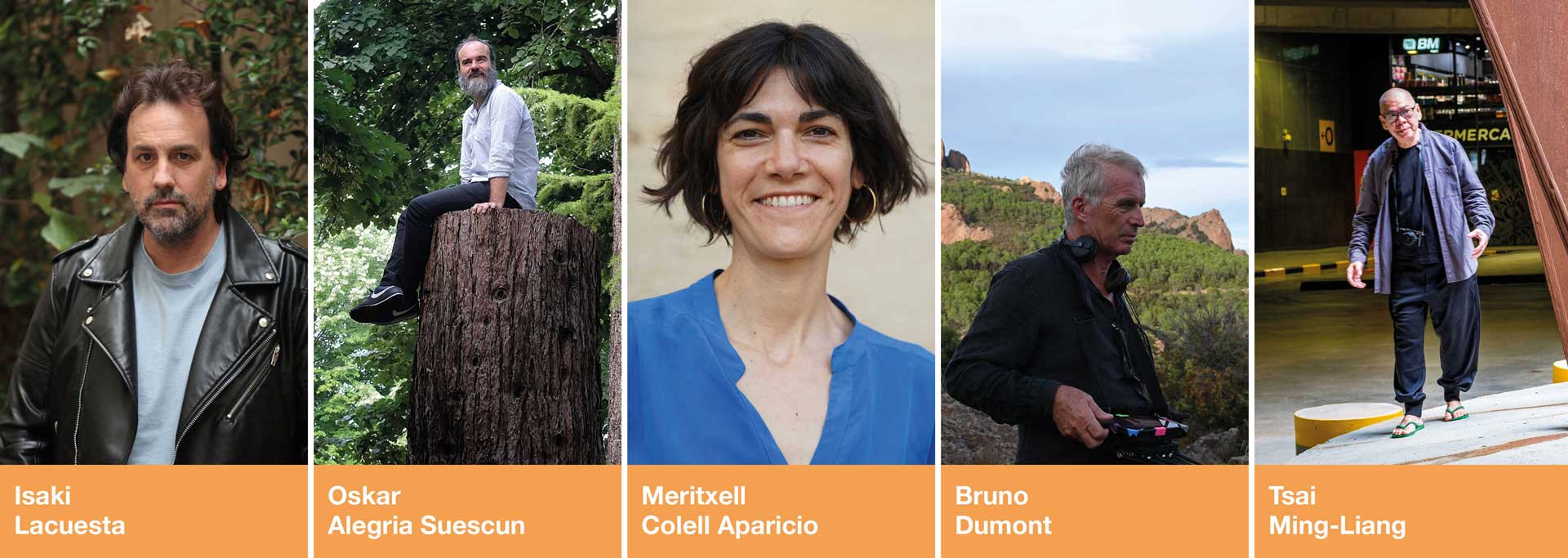
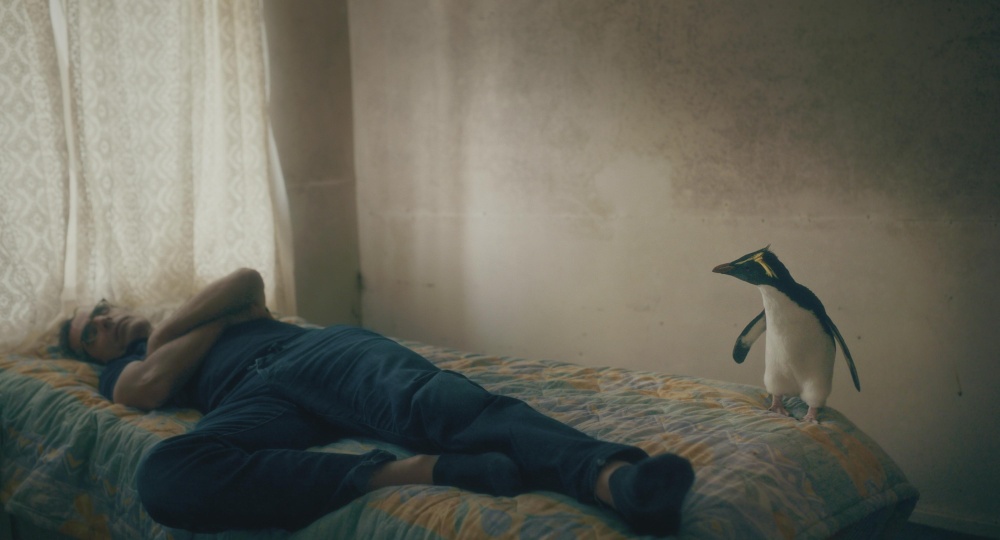
These titles join the five films with Spanish production announced a few weeks ago, including Jaleos, by Isaki Lacuesta (Girona, 1975), the film to close Zabaltegi-Tabakalera as a world premiere. The other four films are: HAMALAU gau (CATORCE noches), the world premiere from Oskar Alegria Suescun (Pamplona, 1973); Lejos de los árboles / Far From the Trees, for which Meritxell Colell Aparicio (Barcelona, 1983) has recently won the FIPRESCI Award and the Boccalino d’Oro for Best Film at Locarno; Les Roches rouges / Red Rocks by the French filmmaker Bruno Dumont (Bailleul, 1958), premiered at the Cannes Quinzaine des Cinéastes; and Weichen (Dust), directed by the Malaysian filmmaker Tsai Ming-Liang (Kuching, 1957), to screen in Venice.
Except for the performance presented by Albertina Carri, all of the titles in Zabaltegi-Tabakalera, the section organised by the San Sebastián Festival and Tabakalera-International Centre for Contemporary Culture, will compete for the Zabaltegi-Tabakalera Award, decided by a specially constituted jury. The award comes with 20,000 euros going to the director (6,000 euros) and distributor (14,000 euros) of the film in Spain.

The son of Alicia Eguren, and adopted by John William Cooke, Pedro Catella lived a remarkable life, touching on every crucial Latin American historical episode in the second half of the 20th century. A member of the Peronist resistance since the age of 9, a sniper in the Escambray mountains at 17, his life was stamped by a revolutionary and tragic fate, the fate of his country.
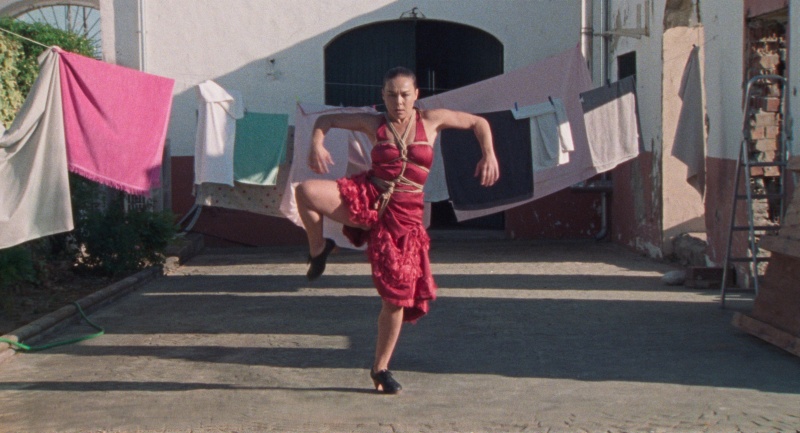
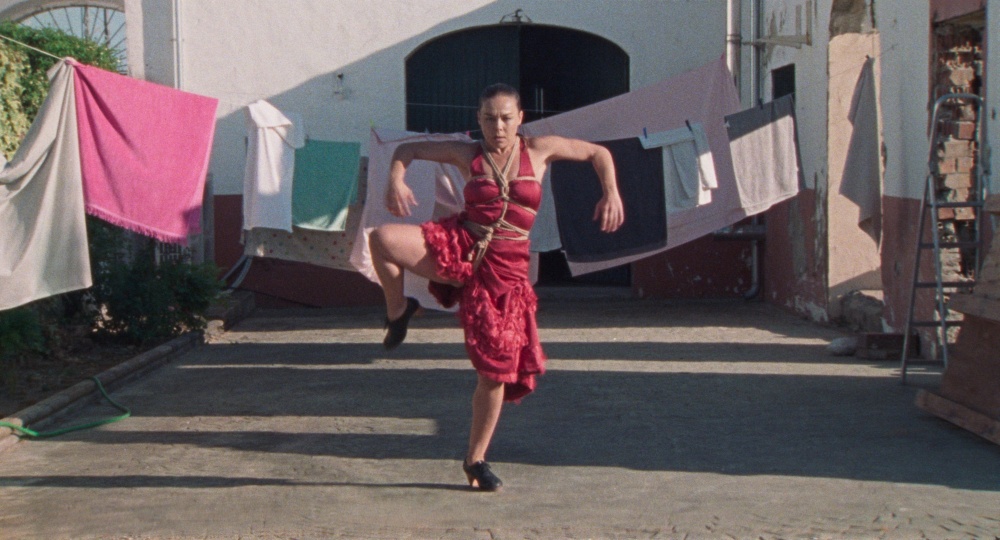
Using archive material and employing a fragmented, polyphonic structure, the film presents a history of flamenco that links it to modernity, popular culture and politics. Through unexpected narratives and associations, and featuring figures from various eras and contexts, the film explores an impure flamenco that is in constant dialogue with the world, where tradition, mass culture, and the contemporary imagination coexist.
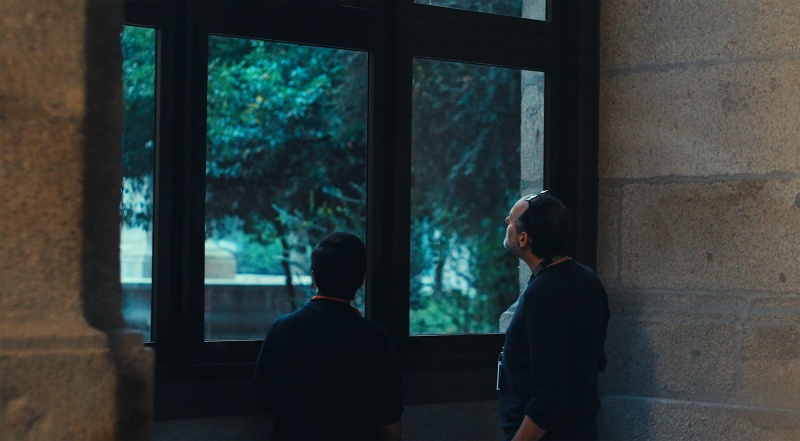
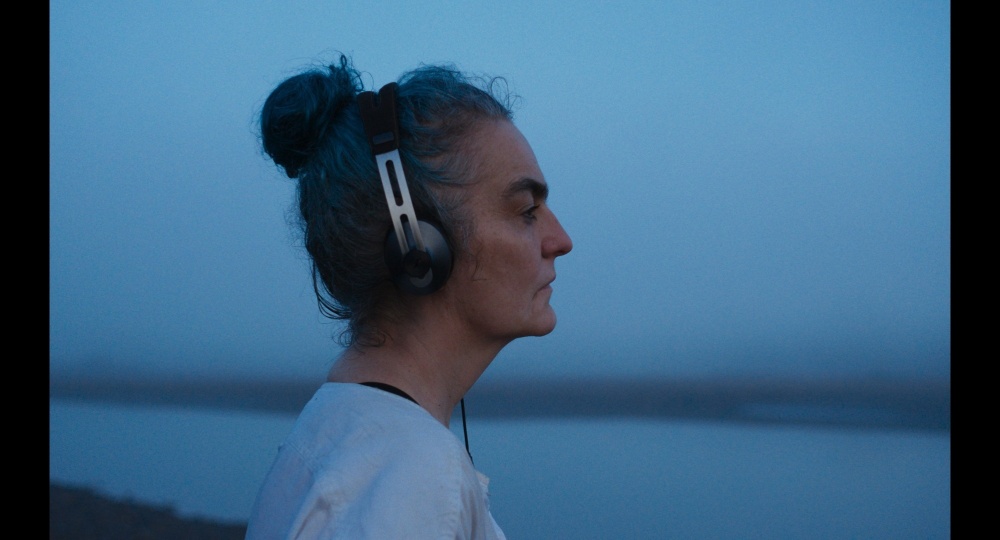
Eva is on a short stay in Madrid. There she spends her days alone: she knows no-one, but neither is she particularly interested in making friends with strangers. The city is therefore a place she doesn't know, through which she wanders aimlessly and with her curiosity set to low. But one afternoon, in one of the rooms of the Reina Sofia Museum, a man approaches her. His name is Dante and he is an Argentinian historian in Madrid to carry out research into Juan Bialet Massé and the workers' struggles in his country.
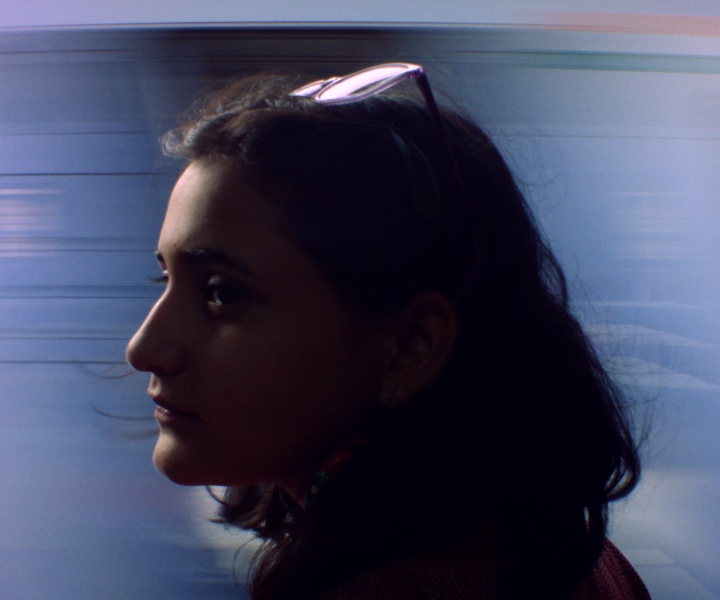
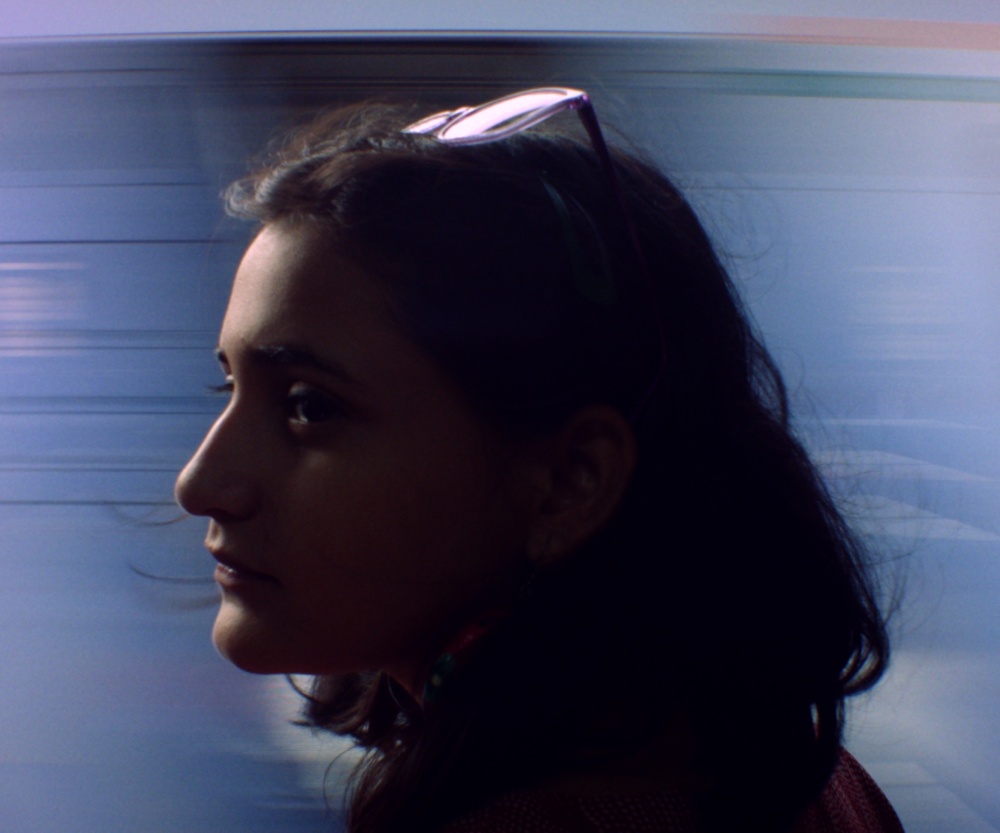
In Mumbai, a young woman moves from audition to audition, performing versions of herself for casting directors. She has left school behind, doesn't know how to cook, and carries with her the half-borrowed memory of a grandmother she never met but is constantly told she resembles, a woman who, family lore insists, could have been an actress herself. As the line between performing and living thins, she feels like she's inside a film, watching her own life from just outside of it.
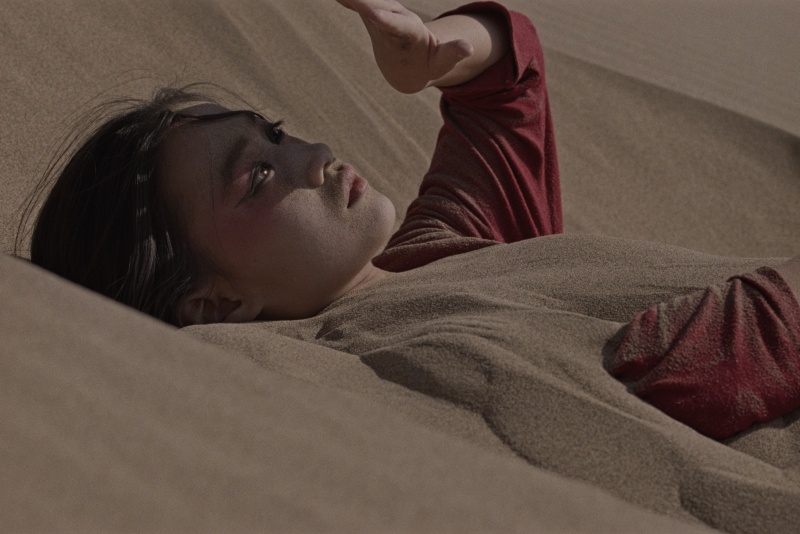
A girl sifts through the dune to find her identity card in order to enrol in the Beijing Opera academy.
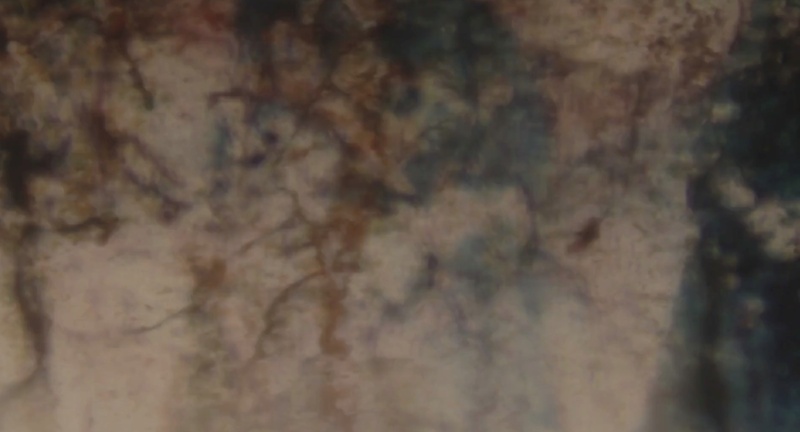
Cine vivo is a short film, this performance, a book. An artifact that mutates according to its own narrative and spatial needs. It shapes itself, borrowing elements from the different disciplines, but in its name too it recognises the process of decomposition of the material that makes life to continue existing and latch onto another organism. The condition of death as an inexorable part of life. All the impurity of writing combined with the impurity of film to shape this new vital cyber organism. An artifact coming from the past to be launched into the future like a capsule of possibilities. A philosophy, a moral and an eroticism drawing on stories, on praxis, on death, on omissions, on processes, on the nobility of banality, as Marguerite Duras would say, on chemicals and time. That unavoidable gem, that unfathomable condition on which both the cinema and life itself feed.
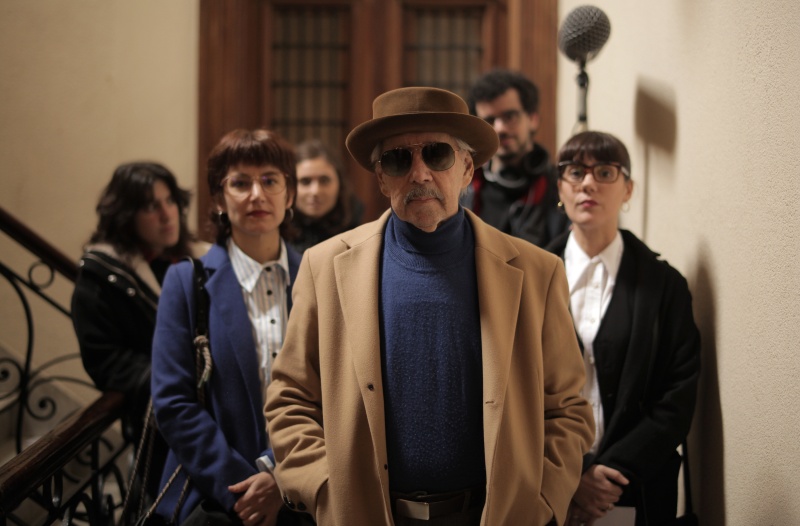
Two young women producers are tasked with making a documentary about an elusive and mysterious figure of the Argentinian vanguard in the 60s. The project also demands the participation of David Lamelas, a successful leading light of conceptual art and the artist's former travelling companion. What begins as a clear-cut, defined work set around interviews and archives starts to raise a worrying question: How can you lend visibility to a person who chose to disappear?
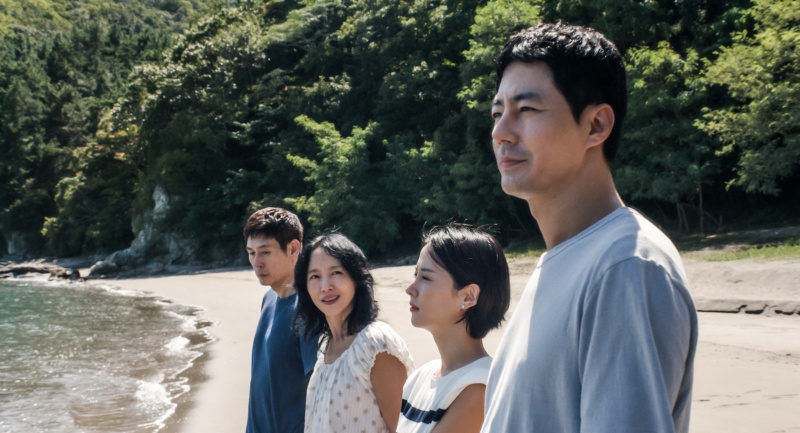
The story of two married couples —a laid-off worker and his wife and a documentary filmmaker and her husband — whose paths cross to film a documentary as they face their different lives and hidden desires.
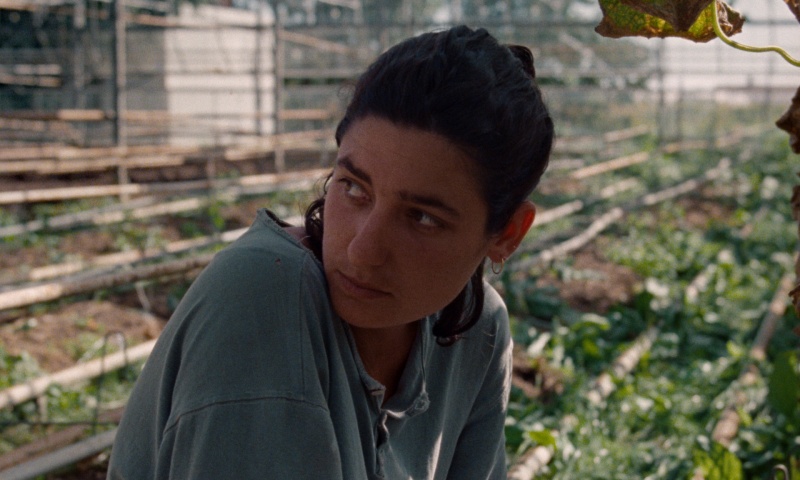
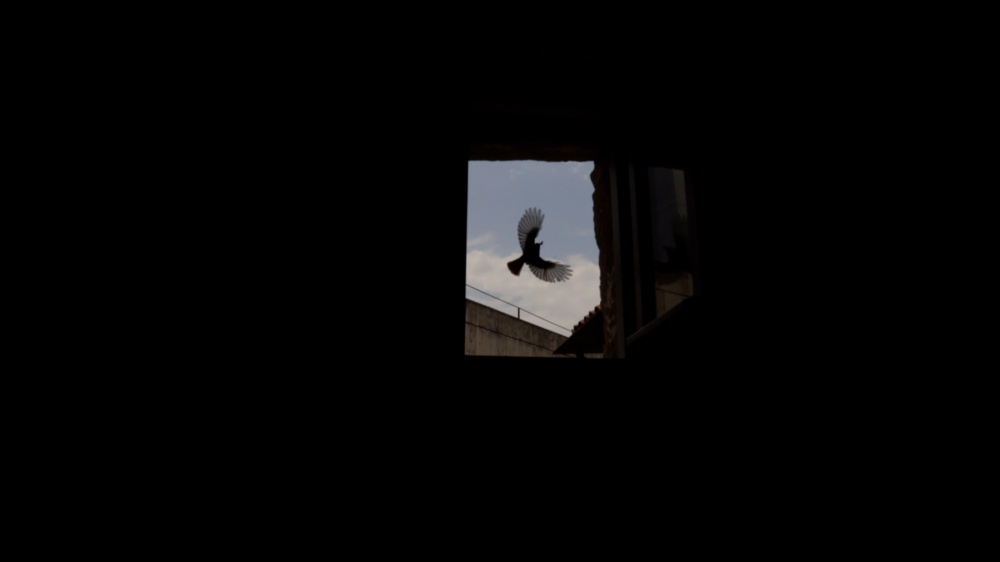
It’s summer harvest on a vegetable farm in northern Germany. The daily routine of seasonal worker Frida and her international colleagues is shaped by fixed rhythms and repetitive tasks. As the end of the season approaches an uncertainty about what comes next begins to grow. Yet when a bird gets trapped in the greenhouses, time seems to stand still for a moment.
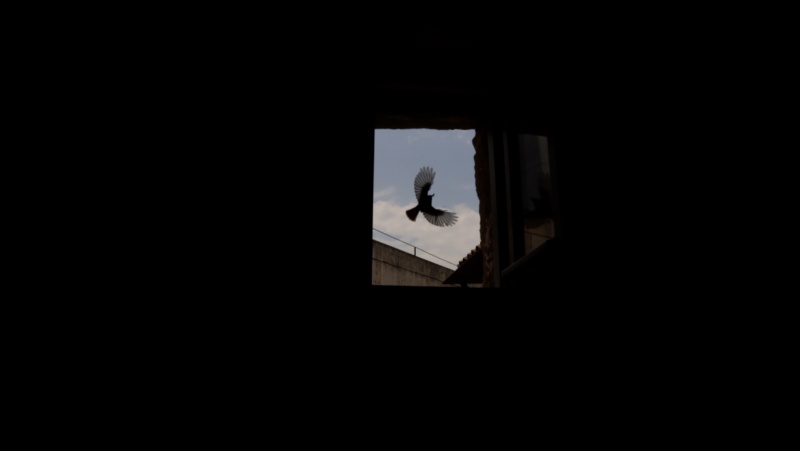
“Night will fall fourteen times in this film. We will count them.” So begins this nocturnal, musical journey—a voyage that drifts through the artistic vision of the Basque artist Jorge Oteiza, and which is dominated, above all, by an “Interior, Night” setting: the Basilica of Arantzazu. It is there that the longest night unfolds, beside the sanctuary’s organ, where filmmaker Oskar Alegria shuts himself away to recount these fourteen nights to pianist Iñar Sastre—summoning him to conjure, through the keys, images he wont see. From this challenge emerges a collection of fourteen moons, fourteen darknesses, and fourteen mysteries that form a single frieze. Fourteen, like the number of apostles Oteiza managed to place on the façade of that temple in an artistic challenge that broke all the rules; and fourteen because, as he himself put it, “there was no room for any more.”
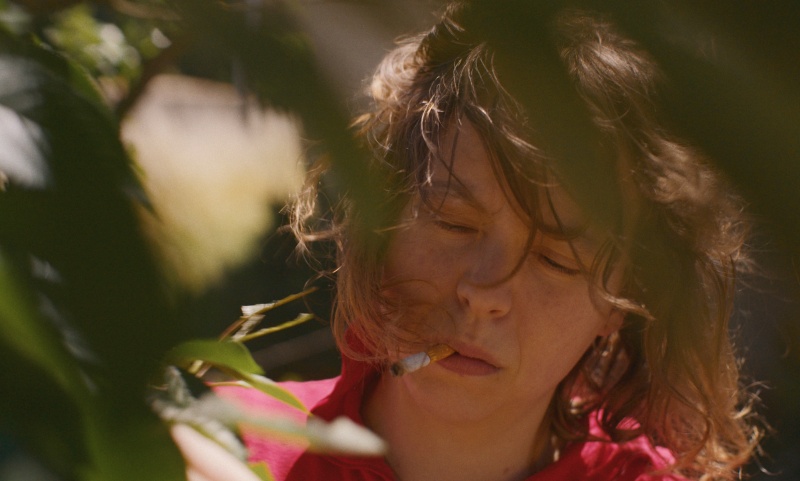
After the death of her estranged father, Angelica and her brother are forced to return to their childhood home: a big house in the French countryside overflowing with unspeakable clutter and the lingering presence of their despotic parent. As Angelica begins the overwhelming task of clearing it out, she comes across her teenage diaries, resurrecting a secret and fierce love she once harbored for her history teacher, Mademoiselle B.
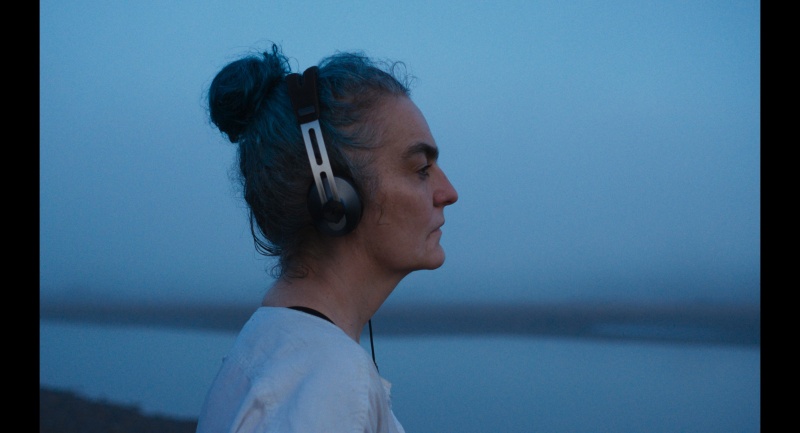
Adela, a Mexican sound artist, travels from the jungle to the Peruvian Andes with Lucho, her guide and translator. Following in the footsteps of her grandfather, a Catalan republican exiled in Mexico, she weaves a sound map of endangered languages. When the fear of death appears, the reality breaks into pieces. Adela’s journey becomes an intimate voyage to her childhood home. Lejos de los árboles / Far from the Trees is packed with tales of the fragility of existence and the need to remember, listen and love.

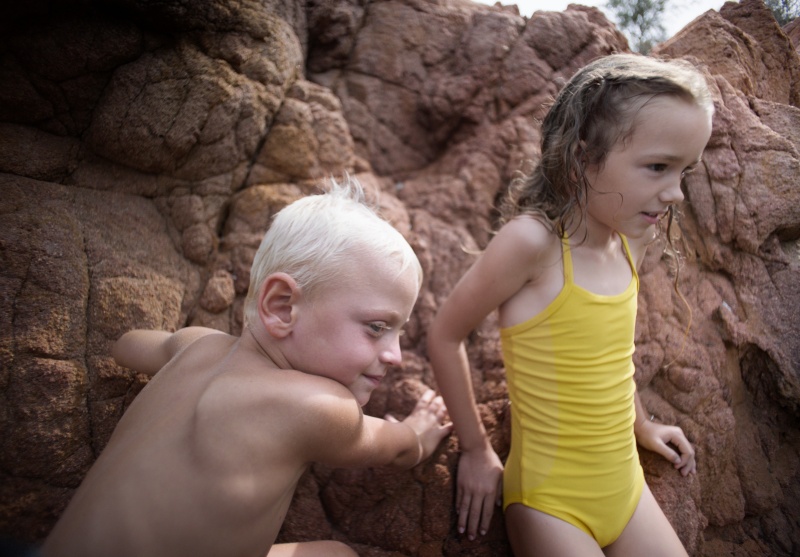
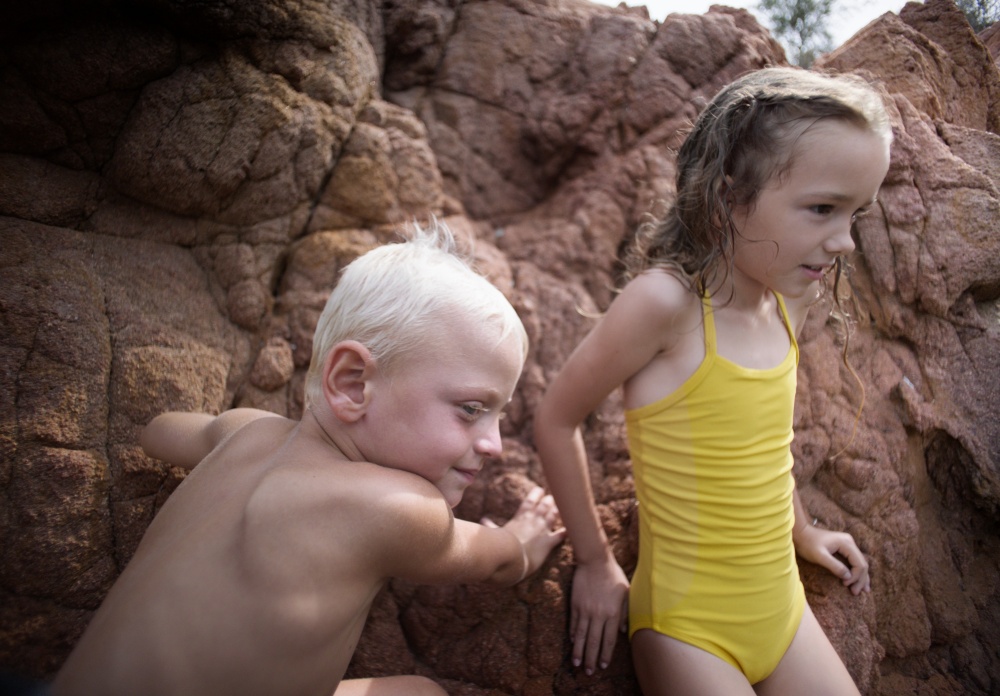
On the French Riviera, two gangs of kids compete in their favourite game: jumping off the red cliffs of the Mediterranean. Géo, barely five years old, discovers over the course of a summer a world where friendship blends with rivalry, and where the first stirrings of the heart become a source of tension.
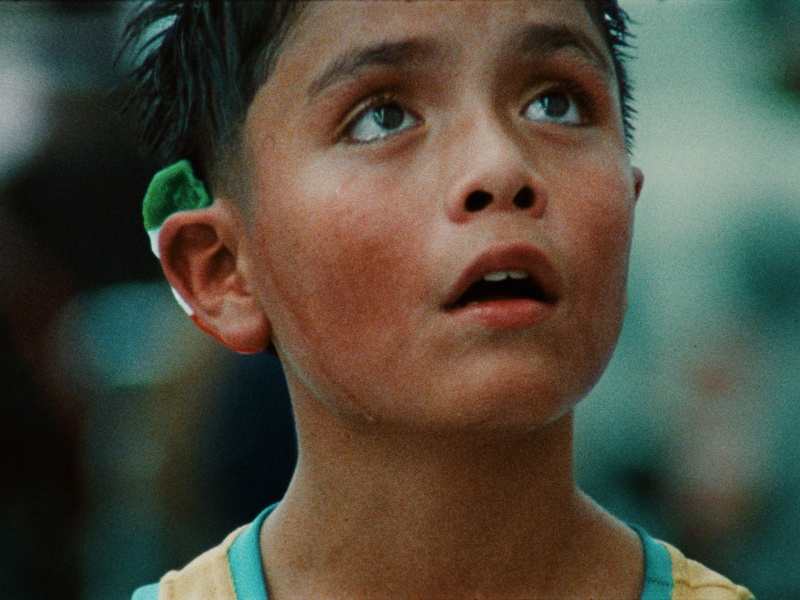
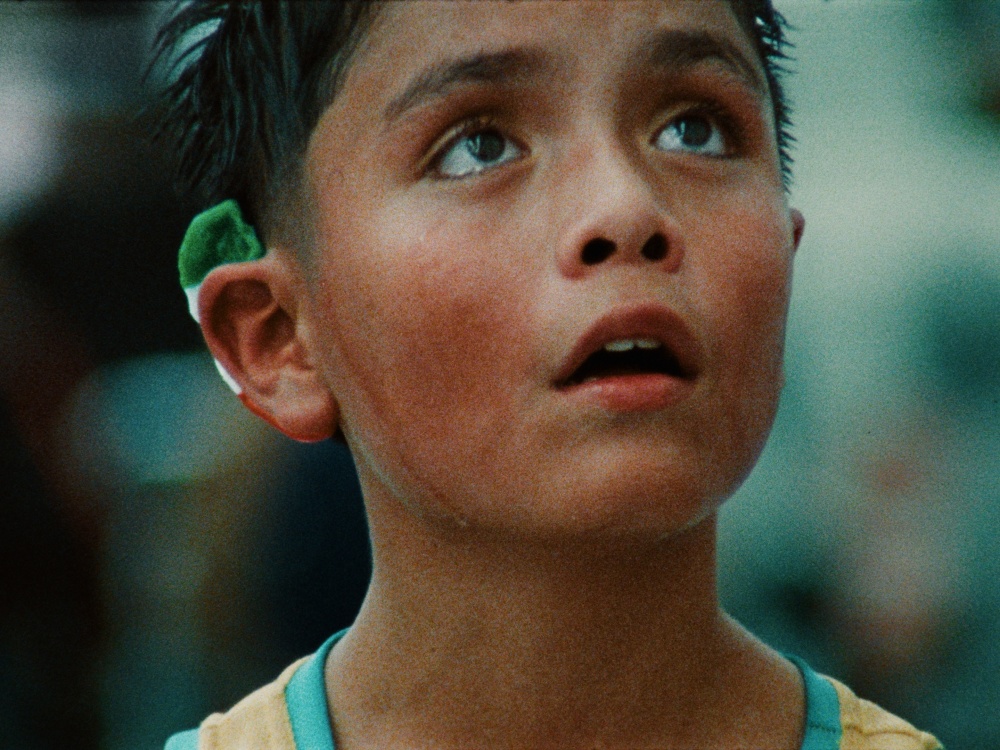
In the tough neighbourhood of Tepito, a young boy chases the great Mexican dream: to become a boxing champion.
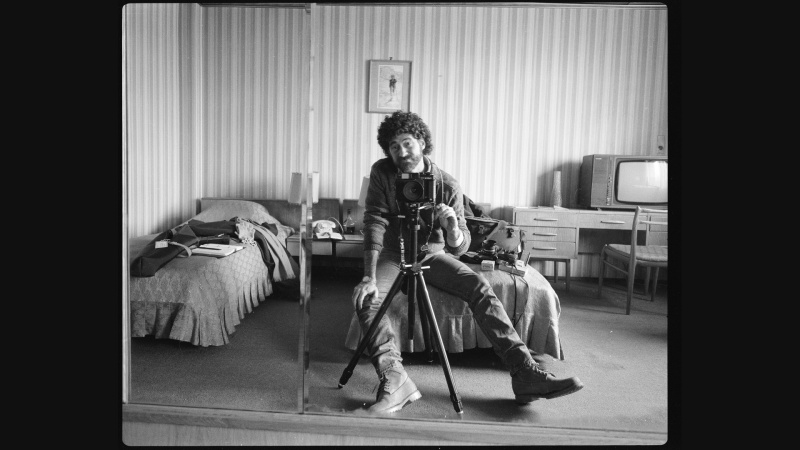
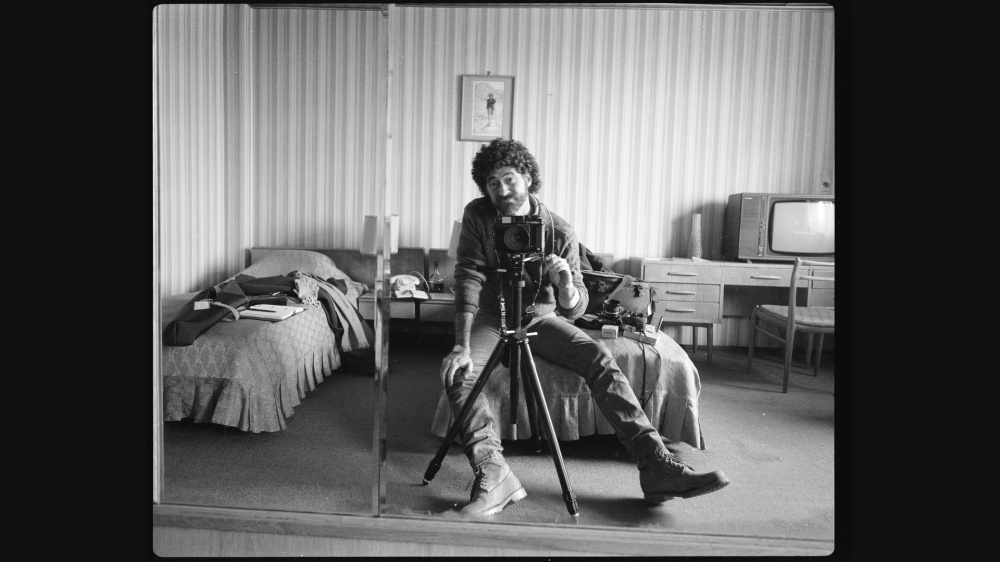
From 1985-1987, American journalist Edward Serotta visited Communist Romania and took photos of the country's harsh realities. The Secret Police (Securitate) followed him and secretly took photos of him taking photos. Forty years later, we put together the two sets of images, a shot/reverse shot revealing the comical side of history.
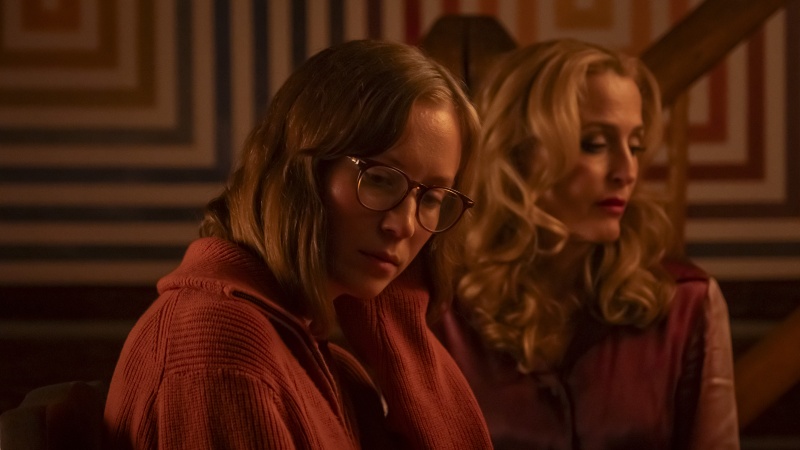
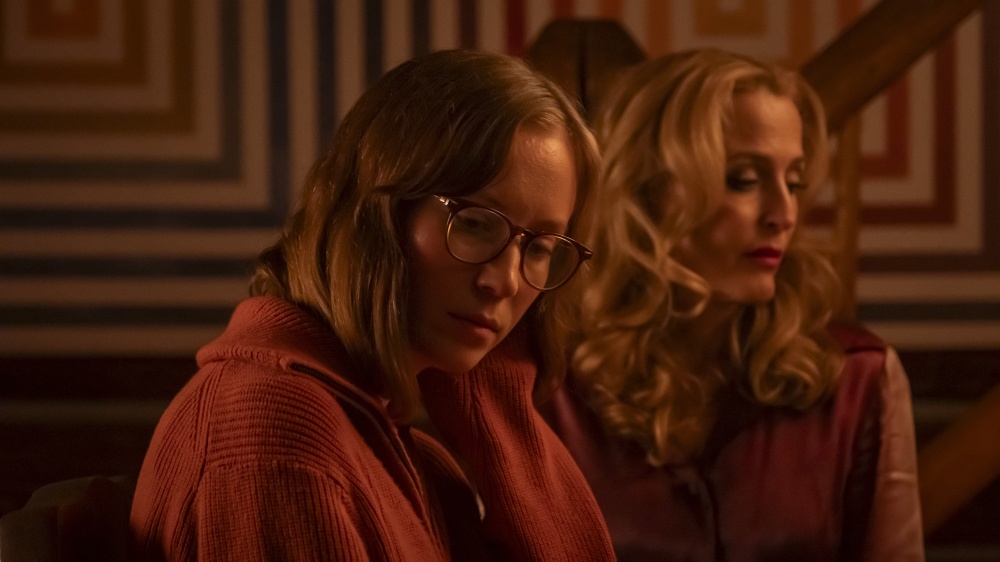
After years of slapdash sequels and waning fandom, the Camp Miasma slasher franchise is handed over to an enthusiastic young director for resurrection. But when she visits the star of the original film, now a reclusive actress shrouded in mystery, the two women fall into a blood-soaked world of desire, fear, and delirium.
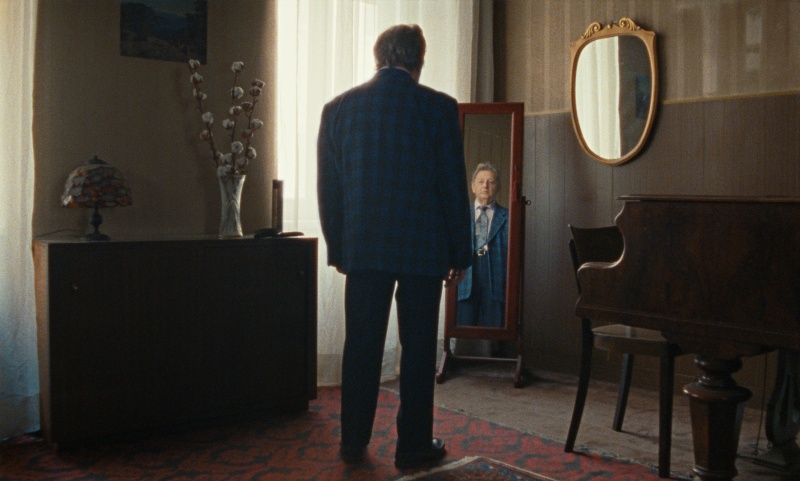
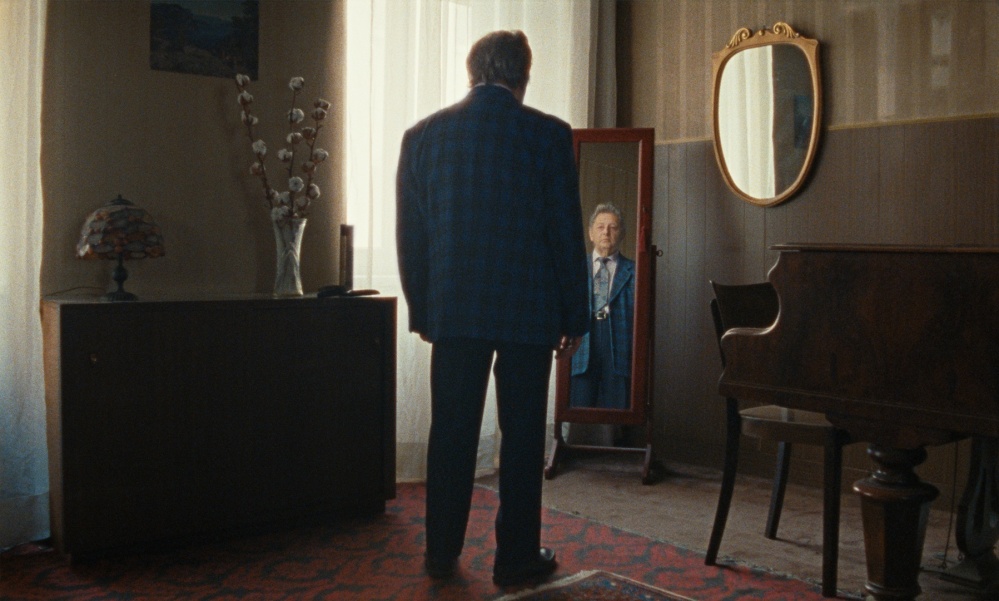
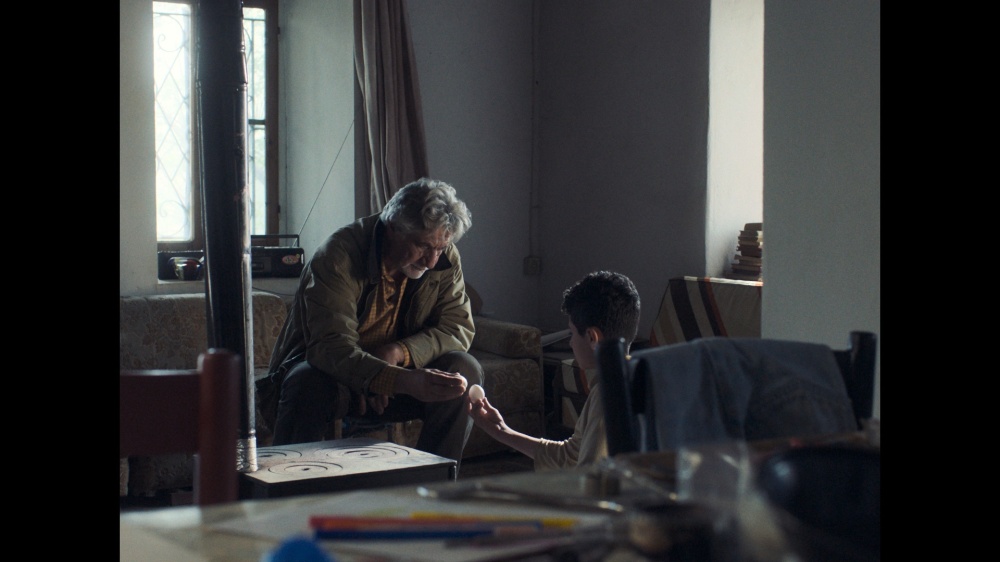
Al Cook lives surrounded by memories. His apartment is packed with books, video tapes and vinyl records: remnants of a life that he once lived to the full. Here time seems to have stopped, while outside the world carries on without him. When his home is slated for demolition by a ruthless estate agency, they strip him of his refuge. As Al is forced to part with his treasures one by one, he asks himself a painful question: how do you move forward when memories are all you have left? Faced with total loss, he chooses a radical new beginning.
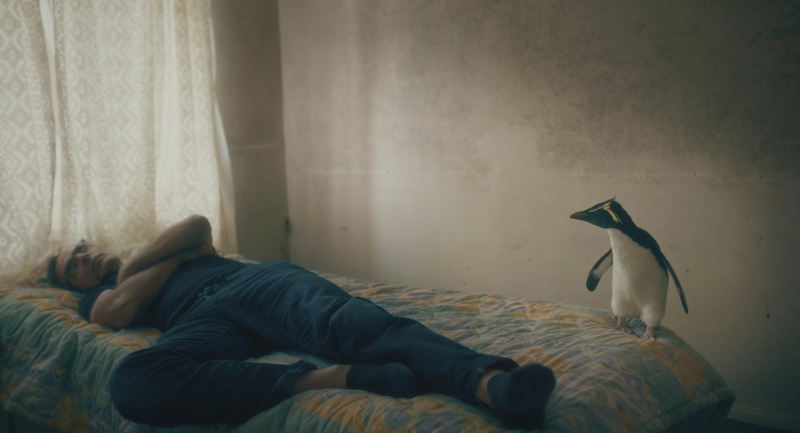
For thirty years, Loran Bonnardot, a doctor from Paris, has been visiting Tristan da Cunha, the world's most remote inhabited island in the middle of the South Atlantic. Home to some of the most unique species, only 6 to 8 boats make the journey per year. This volcanic island has become Loran's spiritual refuge; its inhabitants, his chosen family, and Martin, the fisherman, his best friend. Now 50, Loran travels back to his utopian island once more but this time with no intention of leaving.

The Walker arrives in San Sebastián, a place of light-filled beauty. A red-coloured strip moves slowly through the forests and along the edges of the wind and the sea, between the noise of the night and the quietness of the day. With slow steps, he moves before the eyes of many: a calm figure in the immensity of the world, leaving a fleeting mark in the memory of strangers. Past and present merge with one another. Both creation and nature dissolve into dust.
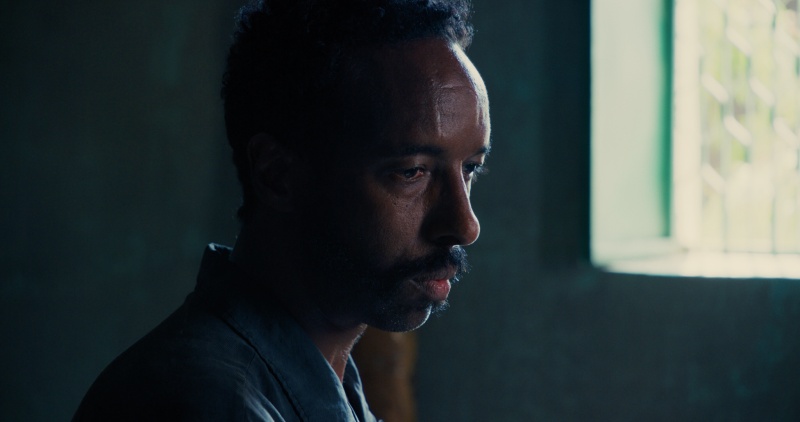
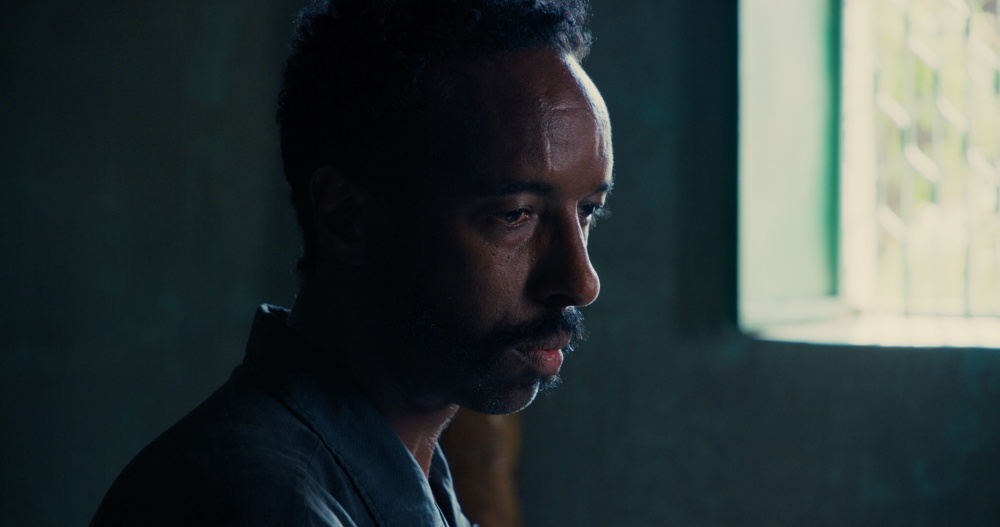
On the day of a decisive court hearing and an important wedding performance, a quiet wedding musician finds his private life exposed to public scrutiny. Accused of exploiting his marriage, he moves between the courtroom, the city streets and the stage, carrying the weight of judgment, loyalty, and unspoken guilt. Forced to make a restrained but irreversible decision, the film observes a man whose inner truth remains elusive, caught between devotion, dignity and loss.
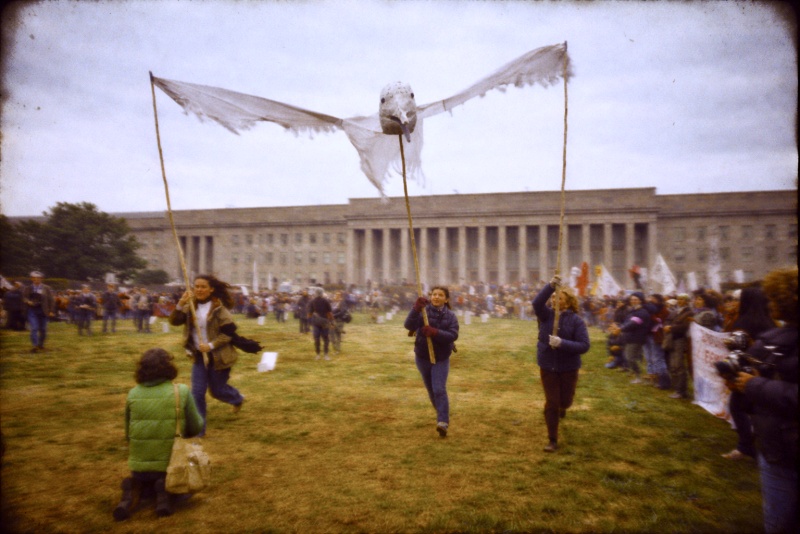
1980. Thousands of women surround the Pentagon. They protest, weep, weave, create. They awaken another form of power and invent a new form of action. With Love and Rage is a political and musical incantation that brings this uprising back to life. The film weaves together archives, stories, voices, and songs, allowing a collective political voice - and the personal stories that make it up - to emerge.
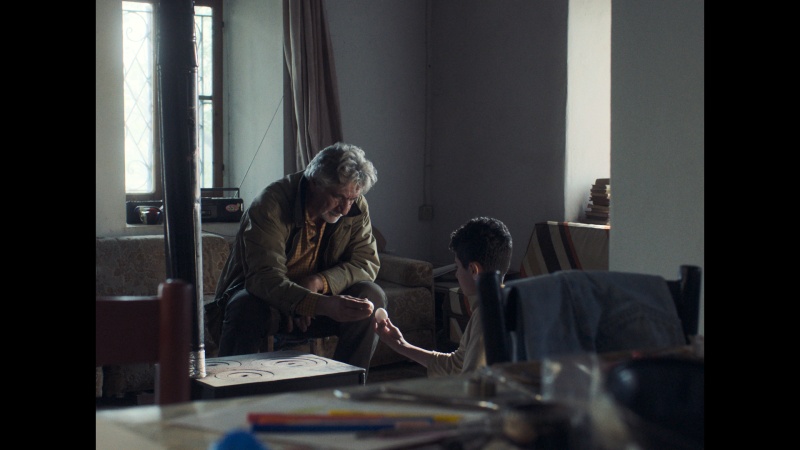
An 11-year-old boy with unusual powers lives with his uncle in a Lebanese village where the noise of warplanes is part of everyday life. As his uncle tries to make him seem "normal," the boy secretly tests an ability he barely understands. When he accidentally causes two warplanes to crash, what was hidden becomes impossible to control.
 Videos
 Images























Monday to Sunday from 09:00 to 14:00
and from 16:00 to 20:00